


Details
Automatically and agentlessly inventory and document your Proxmox VE environment. Gain full control of hosts, virtual machines, networking, and capacity, centralized in your asset repository.
-
Complete host and VM inventory
Document Proxmox hosts and KVM-based virtual machines with CPU, memory, and disk allocations. Get a continuously updated and unified view of your virtual infrastructure without manual effort.
-
Network overview and dependencies
Visualize VLANs, and network relationships between hosts and virtual machines. Understand how resources are connected and how changes impact the environment.
-
Right-sizing
Identify oversized or inactive virtual machines. Optimize capacity, avoid unnecessary hardware investments.
-
Put infrastructure in business context
Link virtual infrastructure to vScope Governance, e.g. services, applications, vendors, and owners. Establish clear accountability and understand business impact directly within your asset repository.
Asset Types
- Host
- Virtual Machine
- Network
- Storage
- Containers
Example of Bundled Content
- Proxmox Overview
- Proxmox Logical Volumes
- Proxmox Datastores
- Proxmox Guest Agent disabled
Get Visibility.
Recent blog posts
All posts
Less Guessing, More Knowing — Wherever It's Needed
We're releasing several new features that help you get better visibility and collaboration in, and outside of, your IT organization. Asset Health in Properties, Share to Teams, and external report recipients are all really about the same problem: the right data, to the right person, at the right time.

New in vScope: Track Microsoft 365 Copilot Usage Across Your Organization
Know exactly how Copilot is used across your organization. By who, and where. vScope now has extended its coverage of ready-made reports about Copilot adoption, license utilization, and usage patterns. Immediately visible, and easy to share.
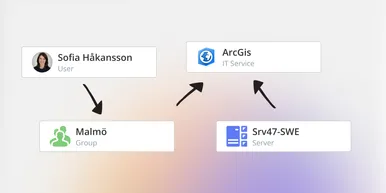
See How Your IT Environment Actually Fits Together
vScope has always mapped the relationships in your IT environment automatically. Now you can explore them visually. The Relationship Map is a new view in Properties and Governance – always current, no manual work required.