


Microsoft Active Directory
Collect Users, Groups and Computer Objects from your On-prem AD
Details
Integrate vScope with your Active Directory to automatically discover and centralize information on users, security and distribution groups, organizational units (OUs), and Group Policy Objects (GPOs). Enhance security understanding and streamline user visibility within your central asset repository.
-
Automated User & Group Inventory
Automatically identify and track users, groups (including nested structures), and their attributes within Active Directory, providing a perfect view of your user base in vScope.
-
Group Policy Object (GPO) Inventory
Visualize and document the GPOs applied across your domains, understanding their settings and scope of influence for improved compliance visibility.
-
Customizable OU Inventory
Select specific OUs to include/exclude from vScope's discovery to get the assets from companies, subsidiaries or other organizational unit that match your needs.
Asset Types
- Users
- Groups
- Organizational Units
- Group Policy Objects
- Computer Objects
Example of Bundled Content
- Active Directory Users Documentation
- Active Domain Administrators
- Empty User Groups in Active Directory
Get Visibility.
Recent blog posts
All posts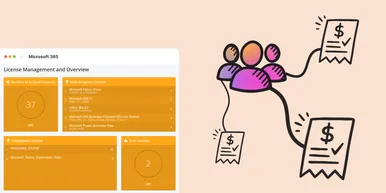
Microsoft 365 Pricing Changes 2026: What It Means for Your Budget
Microsoft is updating pricing and packaging for Microsoft 365 in 2026. Here’s what the currency adjustments and July price increases mean – and how CIOs and M365 admins should respond.
 Simon Håkansson March 2, 2026
New datasource: Proxmox
vScope now discovers Proxmox VE for hosts, VMs, containers, networks, and capacity. This will help you bring full visibility into hosts, VMs, containers, capacity and other Proxmox assets.
 Anton Berghult February 24, 2026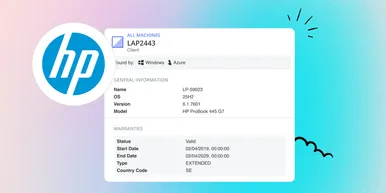
HP Warranty: Deeper lifecycle visibility
Fetch and sync warranty data from HP, directly to vScope for improved planning and control of your assets' life cycle status. In this post I will briefly go through the latest feature in vScope, and how this strengthen the value of your asset repository.
Anton Berghult February 23, 2026